Finding the Perfect Fence for Your Property
A good fence does more than mark your boundary – it provides security, privacy, and can dramatically enhance your garden's appearance. With so many options available, choosing the right fencing can feel overwhelming. This guide will help you understand the different types of fencing and which might be best for your needs.
Types of Garden Fencing
Closeboard Fencing (Featherboard)
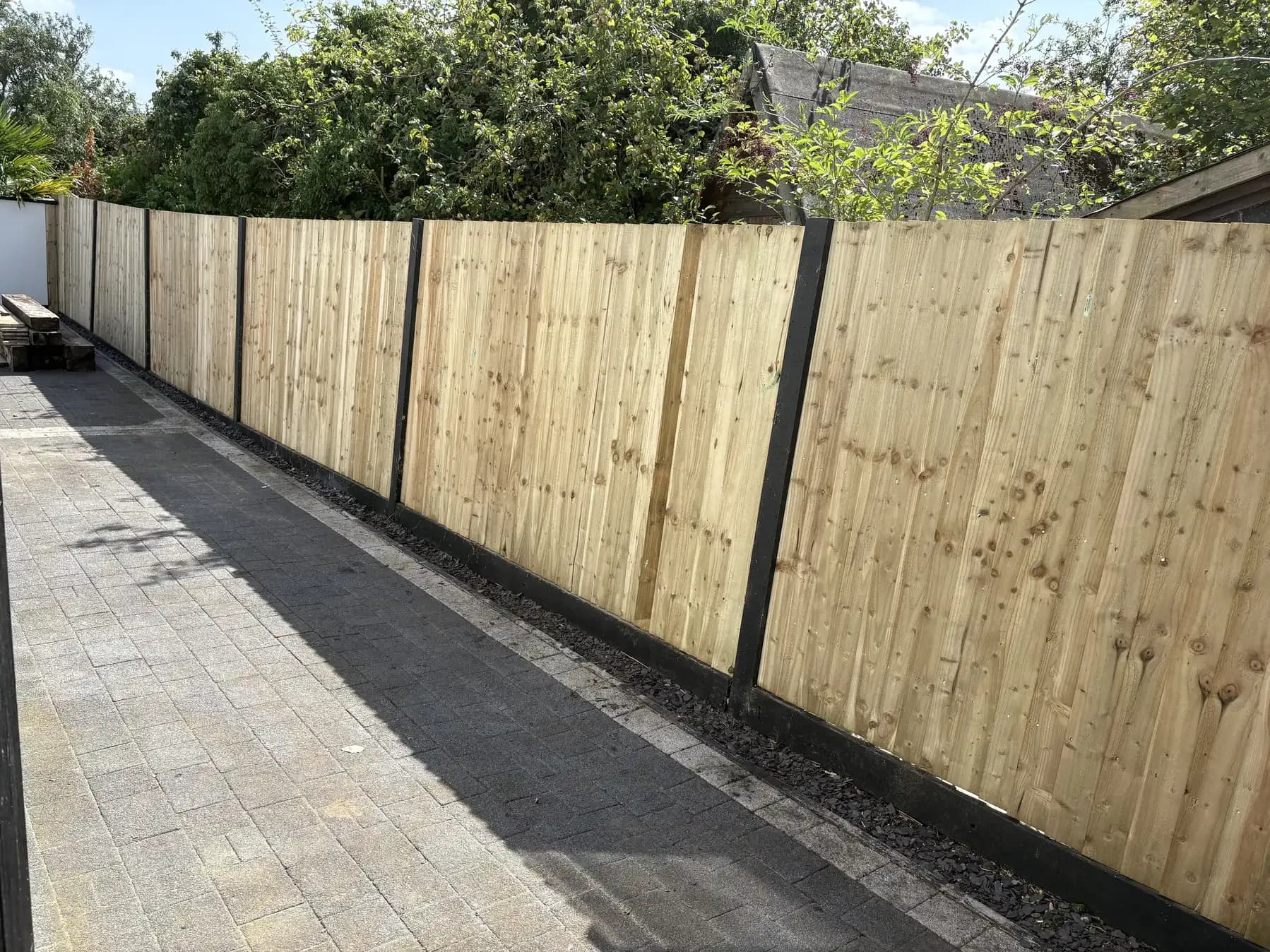
Closeboard fencing is the gold standard for garden boundaries in the UK. Made from vertical featherboard strips that overlap each other, it provides excellent privacy and security.
Pros:
- Extremely durable and long-lasting
- Excellent privacy
- Can follow sloping ground easily
- Individual boards can be replaced if damaged
- Strong wind resistance
- Higher initial cost than panel fencing
- Takes longer to install
Lap Panel Fencing
The most common type of fencing in UK gardens, lap panel fencing consists of pre-made panels that slot between fence posts.
Pros:
- Cost-effective
- Quick to install
- Widely available
- Decent privacy
- Less durable than closeboard
- Entire panels need replacing if damaged
- Can struggle in very windy locations
Picket Fencing
Classic and charming, picket fencing is ideal for front gardens where you want to define boundaries without blocking views.
Pros:
- Attractive traditional appearance
- Allows light through
- Good for front gardens
- Relatively affordable
- No privacy
- Limited security
- Lower height than other options
Trellis Fencing
Trellis can be used alone or as a topper for other fence types, perfect for supporting climbing plants.
Pros:
- Supports climbing plants beautifully
- Adds height to existing fences
- Allows light and air through
- Decorative appearance
- No privacy or security alone
- Less durable in high winds
Choosing the Right Material
Pressure-Treated Softwood
The most common choice, pressure-treated timber has preservatives forced deep into the wood under pressure, providing protection against rot and insects for 15-20 years.
Cedar
Naturally resistant to rot and insects, cedar is a premium choice that weathers to an attractive silver-grey colour. It requires no treatment and can last 20-30 years.
Composite
Made from recycled wood and plastic, composite fencing is virtually maintenance-free and incredibly durable. While more expensive initially, it never needs treating and won't rot or warp.
Height Considerations
The maximum fence height without planning permission in the UK is:
- 2 metres for back and side boundaries
- 1 metre for front boundaries adjacent to highways
If your property is in a conservation area or your fence would affect a neighbour, additional restrictions may apply.
Maintenance Tips
Annual Inspection
Check your fence annually for:
- Loose or damaged boards
- Rotting posts (particularly at ground level)
- Signs of insect damage
- Loose fixings
Unless using cedar or composite, treat your fence every 2-3 years with a quality wood preserver. This dramatically extends its lifespan.
Quick Repairs
Address damage quickly before it spreads. A single broken board is an easy fix; leaving it can lead to further damage in storms.
Common Fencing Mistakes to Avoid
Why Professional Installation Matters
While basic fence installation might seem straightforward, professional installation ensures:
- Posts are set at the correct depth
- The fence line is perfectly straight
- All fixings are secure
- The fence complies with regulations
- You have guarantees on workmanship
At Fencible, we've installed hundreds of fences across Bedfordshire, Buckinghamshire, and Hertfordshire. We know the local soil conditions and which fencing types perform best in our area.
Get Your Free Quote
Whether you need a new fence installed or an existing one repaired, our team is here to help. We offer free, no-obligation quotes and can advise on the best solution for your property and budget.
Contact us today to discuss your fencing project.